PHONE
FAX
GET IN TOUCH
Free Case Evaluation
Please fill out the form below to request your Free Case Evaluation.
Error: Contact form not found.
Results may vary depending on your particular facts and legal circumstances.
Blind Spot Accidents in Indiana
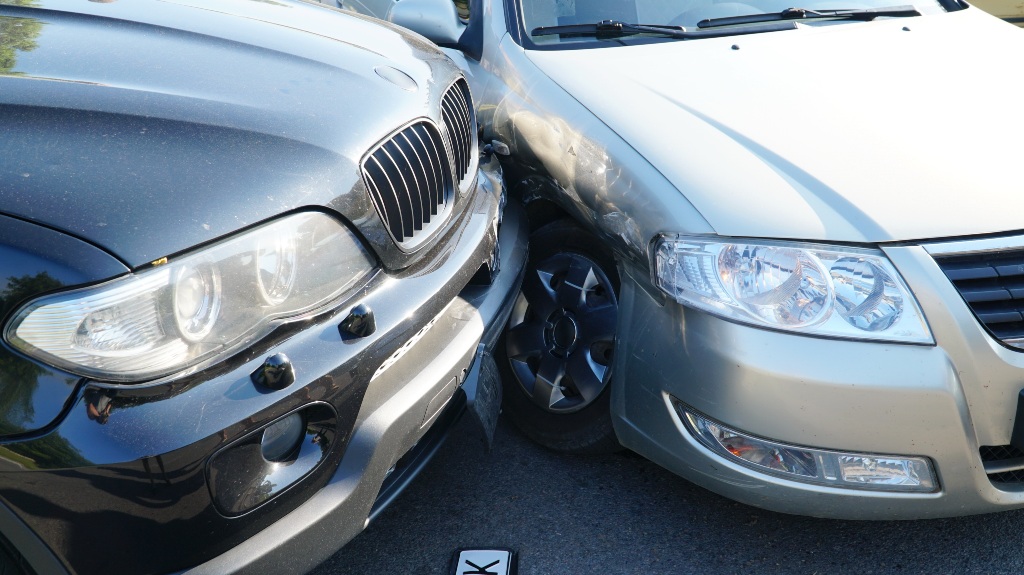
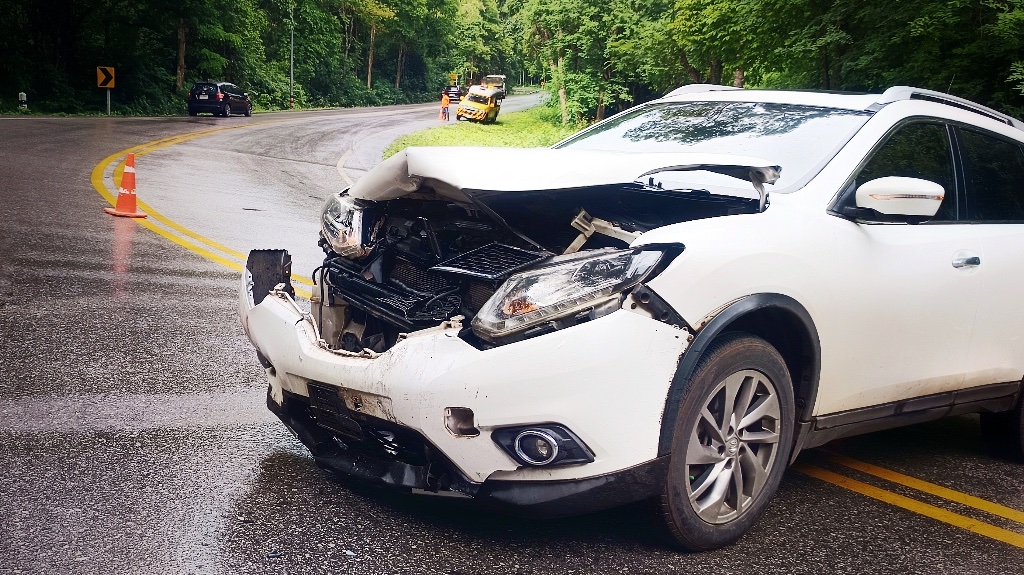
Every driver has experienced that heart-stopping moment when a vehicle seems to appear out of nowhere during a lane change. These close calls highlight one of the most dangerous aspects of driving: blind spots. In Indiana, blind spot accidents contribute to thousands of crashes annually, resulting in serious injuries, fatalities, and significant property damage.
Understanding blind spot accidents, their causes, and your legal rights is crucial for every Indiana driver. Whether you’re navigating the busy streets of Indianapolis or cruising along rural highways, blind spot awareness can mean the difference between a safe journey and a life-changing accident.
Understanding Blind Spots and Their Dangers
Blind spots, also known as “no-zones,” are areas around a vehicle that cannot be seen through mirrors or direct observation. Every vehicle has blind spots, but they vary significantly in size and location depending on the type of vehicle. For passenger cars, blind spots typically exist just behind and slightly to the side of the driver. For larger vehicles like trucks and SUVs, these areas can be substantially larger and more dangerous.
The Federal Highway Administration reports that blind spot-related crashes account for approximately 840,000 accidents annually nationwide. These accidents often result in severe injuries because they frequently involve side-impact collisions or vehicles being forced off the road to avoid a crash.
Common Causes of Blind Spot Accidents in Indiana
Several factors contribute to blind spot accidents on Indiana roads. Poor mirror adjustment remains one of the leading causes, as many drivers fail to properly position their side mirrors to minimize blind spots. Distracted driving compounds this problem, with drivers failing to perform proper shoulder checks before changing lanes.
Weather conditions unique to Indiana also play a significant role. During winter months, snow and ice can accumulate on mirrors and windows, creating larger blind spots. Heavy rain and fog, common during spring and fall, can further reduce visibility and make it difficult to spot vehicles in adjacent lanes.
Aggressive driving behaviors, unfortunately common on busy highways like I-465 around Indianapolis or I-69 through the state, increase the likelihood of blind spot accidents. When drivers make rapid lane changes without proper checking, they put themselves and others at serious risk.
Types of Vehicles Most Involved in Blind Spot Accidents
Large commercial trucks present the greatest blind spot risks on Indiana highways. The Indiana Department of Transportation emphasizes that trucks have four major blind spots: directly in front, directly behind, and along both sides. The right-side blind spot extends across multiple lanes and can hide an entire passenger vehicle.
Motorcycles face particular vulnerability in blind spot situations. Their smaller size makes them especially difficult to spot, and motorcycle accidents often result in more severe injuries due to the lack of protective barriers around the rider.
Passenger vehicles, while having smaller blind spots than commercial trucks, still account for a significant portion of blind spot accidents. SUVs and larger passenger vehicles tend to have more extensive blind spots than compact cars, particularly when not equipped with modern safety features.
Indiana Traffic Laws and Blind Spot Accidents
Indiana law requires drivers to signal their intention to change lanes and ensure the movement can be made safely. Indiana Code 9-21-8-25 specifically addresses lane changing requirements, stating that drivers must check that the movement can be made without interfering with the safe operation of other vehicles.
When it comes to determining fault in blind spot accidents, Indiana follows a comparative fault system. This means that if you’re found to be partially at fault for an accident, your compensation may be reduced by your percentage of fault. However, as long as you’re less than 51% at fault, you can still recover damages.
The duty of care extends to all drivers on Indiana roads. Even if a vehicle enters your blind spot, you still have a responsibility to check thoroughly before changing lanes. Conversely, drivers should avoid lingering in other vehicles’ blind spots when possible.
Legal Rights and Compensation After a Blind Spot Accident
If you’ve been injured in a blind spot accident in Indiana, you may be entitled to various types of compensation. Medical expenses, including emergency treatment, ongoing care, and rehabilitation, can often be recovered. Lost wages, both current and future earning capacity, are also compensable damages.
Property damage to your vehicle and personal belongings can be claimed, along with pain and suffering damages. In cases involving severe injuries, compensation for permanent disability or disfigurement may also be available.
The statute of limitations for personal injury claims in Indiana is generally two years from the date of the accident. However, it’s crucial to begin the legal process as soon as possible to preserve evidence and ensure witness availability.
Steps to Take After a Blind Spot Accident
Immediate safety should be your first priority after any accident. Move to a safe location if possible and call 911 to report the accident. Indiana law requires accident reports for crashes involving injuries, deaths, or property damage exceeding $1,000.
Document everything at the scene. Take photographs of vehicle damage, road conditions, traffic signs, and the accident location. Collect contact information from all drivers involved and any witnesses. Note the weather conditions and time of day, as these factors can be relevant to your case.
Seek medical attention promptly, even if you don’t feel injured immediately. Some injuries, particularly soft tissue damage common in side-impact collisions, may not manifest symptoms for hours or days after the accident.
Contact your insurance company to report the accident, but be cautious about making detailed statements until you’ve consulted with an attorney. Insurance companies may try to minimize your claim or assign fault inappropriately.
Preventing Blind Spot Accidents
Prevention remains the best strategy for avoiding blind spot accidents. Proper mirror adjustment is fundamental – your side mirrors should be positioned so you can barely see the side of your own vehicle. This positioning eliminates overlap with your rearview mirror and significantly reduces blind spots.
Always perform shoulder checks before changing lanes, even when mirrors appear clear. This simple habit can prevent countless accidents and has saved numerous lives on Indiana roads.
Maintain awareness of your position relative to other vehicles. Avoid lingering in other drivers’ blind spots, and be particularly cautious around large trucks and commercial vehicles.
Modern technology can also help prevent blind spot accidents. Many newer vehicles come equipped with blind spot monitoring systems, backup cameras, and lane departure warnings. While these technologies are helpful, they should supplement, not replace, proper driving techniques.
When to Contact a Personal Injury Attorney
If you’ve been involved in a blind spot accident resulting in injuries, consulting with an experienced personal injury attorney is crucial. Legal representation becomes particularly important when dealing with commercial vehicle accidents, disputes over fault determination, or cases involving serious injuries.
Insurance companies often attempt to settle cases quickly and for less than their true value. An experienced attorney can evaluate your case, gather necessary evidence, and negotiate on your behalf to ensure you receive fair compensation.
At Kaushal Law, our experienced personal injury attorneys understand the complexities of blind spot accident cases in Indiana. We work diligently to investigate accidents thoroughly, consult with accident reconstruction experts when necessary, and fight for the compensation our clients deserve.
The Importance of Expert Legal Representation
Blind spot accident cases often involve complex liability questions and require thorough investigation. Experienced attorneys know how to obtain crucial evidence such as surveillance footage, cell phone records, and vehicle data recorders that can prove fault and strengthen your case.
Working with a qualified Indiana personal injury lawyer ensures that your rights are protected and that you receive the full compensation you deserve. Don’t let insurance companies take advantage of your situation – get the legal representation you need to secure your future.
Moving Forward After a Blind Spot Accident
Blind spot accidents can have lasting impacts on victims and their families. Understanding your rights, the legal process, and the importance of proper representation can make a significant difference in your recovery and financial future.
If you or a loved one has been injured in a blind spot accident in Indiana, don’t wait to seek legal help. Contact Kaushal Law today for a consultation to discuss your case and learn about your options for recovery.
Remember, you don’t have to face the aftermath of a serious accident alone. With proper legal representation, you can focus on your recovery while experienced professionals handle the legal complexities of your case.
Take Action Today – Contact Kaushal Law
Don’t let insurance companies minimize your claim or rush you into an unfair settlement. Time is critical after a blind spot accident, and waiting too long can hurt your case.
At Kaushal Law, we offer:
- Free initial consultations to evaluate your case
- No fees unless we win your case
- Experienced Indiana personal injury attorneys who understand blind spot accident cases
- Thorough investigation and expert resources to build your strongest case
- Aggressive negotiation with insurance companies
- Compassionate support throughout the entire legal process
Call us today to schedule your free consultation. Our team is ready to fight for the compensation you deserve while you focus on your recovery.
Your rights are too important to leave to chance. Contact Kaushal Law now.
A Pedestrian’s Guide to
Accident Laws & Compensation